
Hayleys Fabric PLC and USJP establish Sri Lanka’s First Antibiotic Resistance Baseline for the Kelani River Basin
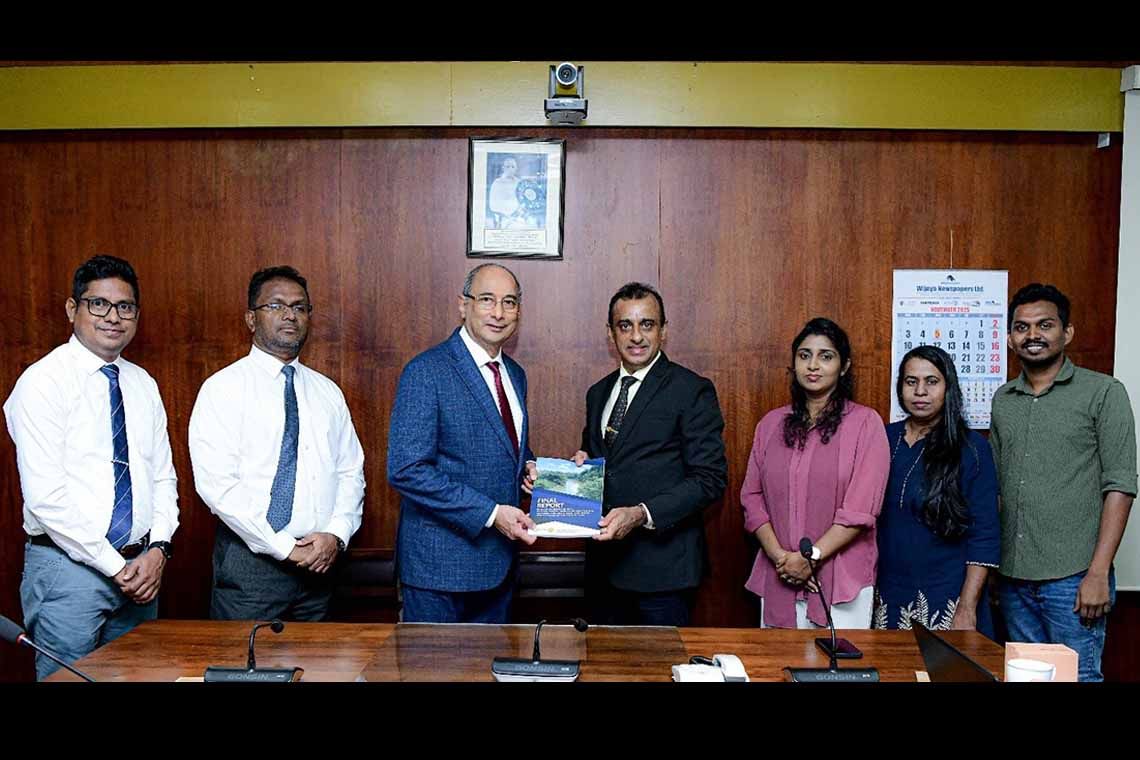
Hayleys Fabric PLC, a subsidiary of Hayleys PLC, and the University of Sri Jayewardenepura have completed Sri Lanka’s first comprehensive study on antibiotic resistance in the Kelani River Basin, a freshwater system that supplies drinking water to over 80% of the Greater Colombo region and supports more than a quarter of the national population.
Conducted by the Centre for Water Quality and Algae Research in the department of Zoology at the University of Sri Jayewardenepura in collaboration with Hayleys Fabric PLC, the research examined the occurrence and distribution of antibiotic residues, antibiotic-resistant bacteria (ARB), and antibiotic resistance genes (ARGs) across the basin, establishing the first antibiotic resistance baseline for one of Sri Lanka’s most critical freshwater systems.
The initiative reflects the wider commitment of The Hayleys Group to evidence-based environmental stewardship and long-term value creation across the communities and ecosystems in which the Group operates.
Antibiotic resistance (AR) occurs when bacteria naturally evolve to survive the medicines (antibiotics) designed to kill them, creating what are often called “superbugs”.
Rivers can be major pathways for these bacteria to spread.
To understand this risk, the study assessed 71 water samples collected across three distinct zones of the basin during the dry and wet seasons: the Head Zone, Transitional Zone, and Meandering Zone, for six antibiotic classes, including penicillins, tetracyclines, fluoroquinolones, macrolides, sulfonamides, and aminoglycosides.
The study produced a fascinating and highly important scientific finding.
The scientists found that actual traces of leftover antibiotics in the water were so low that they were mostly undetectable.
However, despite the lack of leftover antibiotics, widespread and highly resilient antibiotic-resistant bacteria were still found throughout the basin.
In fact, more than 80% of the bacteria tested showed high resistance levels, surviving antibiotic concentrations greater than 360 parts per million (ppm).
This proves that resistant bacteria and their resistance genes can persist and multiply in the environment even without active antibiotic pollution present in the water.
Hayleys Fabric PLC Managing Director / CEO Rohan Goonetilleke said:
“The Kelani River Basin is central to the daily lives of millions of Sri Lankans, and understanding the health of that ecosystem is a responsibility that extends beyond any single industry.
As part of Hayleys PLC, we believe industries operating near critical water systems have an obligation to invest in evidence, not just in compliance.
The findings provide a baseline that the country has not had before, and we intend to support the continued monitoring work that this study calls for.”
The research also found that antibiotic resistance genes and resistant bacterial populations persisted even in the absence of measurable antibiotic contamination in the water, highlighting the complexity of Anti-Microbial Resistance (AMR) dynamics in freshwater environments and raising broader questions about long-term environmental and public health risk management.
Senior Professor P.M. Manage, head of the research team in the Centre for Water Quality and Algae Research at the University of Sri Jayewardenepura, said:
“This study gives Sri Lanka its first systematic picture of antibiotic resistance across the Kelani River Basin.
What makes the findings particularly significant is that resistance persists even in the absence of detectable antibiotic residues, meaning conventional water quality monitoring alone is insufficient to capture this risk.
The partnership with Hayleys Fabric PLC was essential in bringing this research to scale, and we hope the baseline data generated here informs both policy and continued environmental monitoring.”
The research reflects a close collaboration between academia and industry, led by Senior Professor P.M. Manage (Centre for Water Quality and Algae Research, University of Sri Jayewardenepura), together with Dr Gayani Yasodara Liyanage, Anjana Kalum and Hayleys Fabric PLC representatives Rohan Goonetilleke (Managing Director / CEO), Rohitha Bandara (Executive Director – Finance and ESG), and Lakmal Diyawaththege (Deputy General Manager – Sustainability).
Drawing on expertise across environmental science, research, and industry, the team worked collectively to establish the first antibiotic resistance baseline for the Kelani River Basin, creating an important foundation for future monitoring and evidence-based decision-making.
The study combined microbiological, chemical, molecular, and spatial analysis techniques reflecting the science-led, future-oriented approach that Hayleys and its sectors apply to environmental and operational challenges.
Antibiotic residues were quantified using High-Performance Liquid Chromatography (HPLC), while Polymerase Chain Reaction (PCR) and Real-Time PCR (RT-PCR) were used to identify resistance genes.
GIS-based spatial mapping was applied to visualise resistance distribution and seasonal variation across the basin, with wet season samples showing increased bacterial loads in several locations.
The findings from the Kelani River Basin contribute the first local data of this kind to the growing body of research examining AMR in aquatic environments, with direct relevance to water security, public health policy, and industrial environmental governance in Sri Lanka.
Antimicrobial resistance is recognised globally as a critical public health challenge, with rivers and surface water bodies identified as key environmental pathways for its spread.
Because resistant bacteria can thrive independently of measurable medicine traces, standard water quality tests are no longer enough to fully understand the health risks in our water systems.
By establishing this first-ever scientific “baseline”, a starting point of data for the Kelani River, this collaborative effort provides essential information to help experts monitor changes in the river over time.
This research will help guide future public health policies, ensure safer water security, and support the United Nations Sustainable Development Goals for Good Health (Goal 3), Clean Water (Goal 6), and Life on Land (Goal 15).
Image caption - Sharing the research findings (from left to right): Hayleys Fabric PLC, Deputy General Manager – Sustainability, Mr. Lakmal Diyawaththege; Hayleys Fabric PLC, Executive Director – Finance & ESG, Mr. Rohitha Bandara; Hayleys Fabric PLC, Managing Director/CEO, Mr. Rohan Goonetilleke; University of Sri Jayewardenepura, Vice Chancellor, Senior Prof. M.M. Pathmalal; University of Sri Jayewardenepura, Department of Zoology, Senior Lecturer, Dr. F.S. Idroos; University of Sri Jayewardenepura, Department of Urban and Aquatic Bioresources, Senior Lecturer, Dr. G.Y. Liyanage; and University of Sri Jayewardenepura, Department of Zoology, PhD Candidate, Mr. A.K.M.M.K. Meddage.
Latest Posts












Video
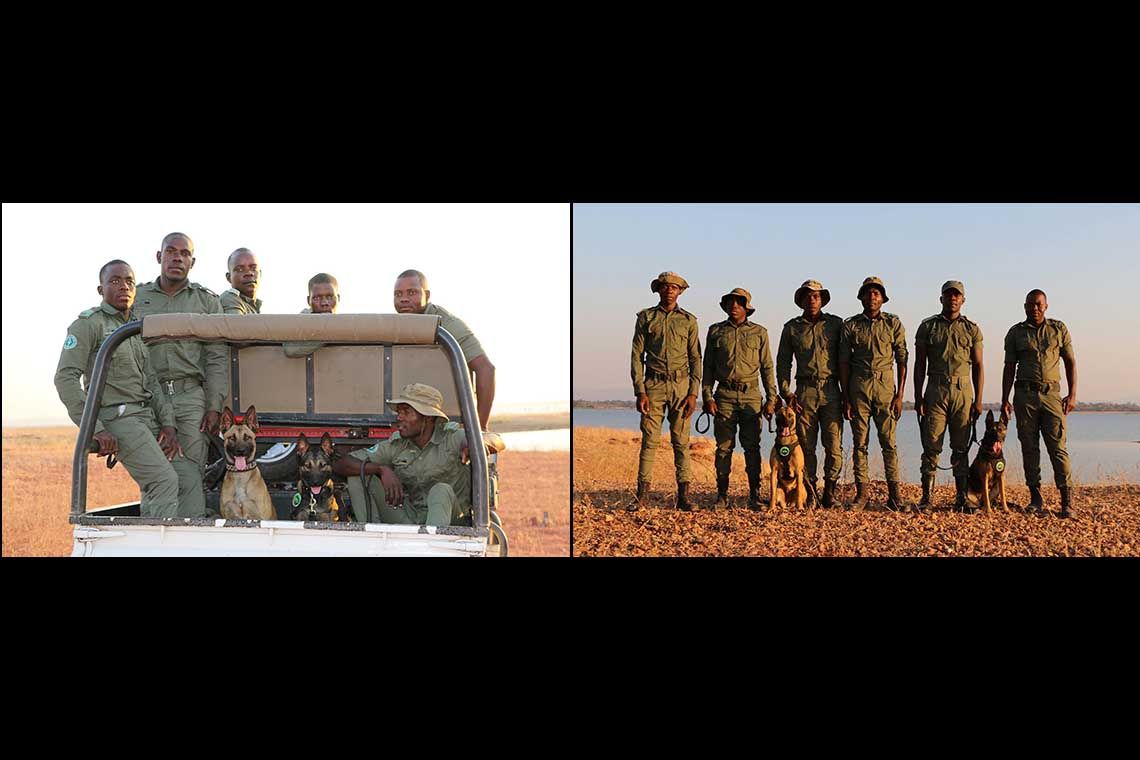
K9 unit flown by Emirates SkyCargo to Zimbabwe begins frontline operations
Vega and Kuda, two specialist conservation dogs, transported by Emirates SkyCargo from London to Harare via Dubai in partnership with UK charity Dogs 4 Wildlife, have arrived safely and acclimatise