From Surveillance to Safeguards : Sri Lanka Tests a Different Social Media Architecture
As AI driven platforms reshape power and risk across South Asia, ZKTOR’s beta raises deeper questions about design, dignity, and digital responsibility.
Sri Lanka’s engagement with digital platforms is entering a more reflective phase.
Beyond connectivity and reach, the country is increasingly confronting the social and institutional consequences of systems built primarily for scale.
In an era where artificial intelligence governs visibility, behaviour, and influence, the architecture behind social media has become as consequential as the content it carries.
It is within this evolving context that ZKTOR has begun beta testing in Sri Lanka.
Developed by Softa Technologies Limited, the platform represents a deliberate departure from surveillance based social media models.
Rather than relying on behavioural data extraction and algorithmic amplification, its system is built on privacy by design and zero knowledge architecture, ensuring that user activity remains inaccessible even at the administrative level.
This structural approach reflects a broader critique emerging across South Asia.
Policy frameworks and data protection laws, while necessary, often struggle to keep pace with rapidly evolving technologies.
ZKTOR’s design responds to this gap by embedding restraint directly into the system.
Multi layer encryption secures all content, while geographically bounded data storage limits cross border exposure.
Media sharing is structured to prevent unauthorised extraction, addressing one of the most persistent sources of digital harm in the region.
These choices are closely linked to the background of Sunil Kumar Singh, the platform’s chief architect.
With more than twenty years of professional experience in Finland, Singh worked within Nordic digital environments where trust, accountability, and user dignity are treated as core design principles.
His work on ZKTOR translates those values into a South Asian context shaped by scale, cultural diversity, and uneven digital literacy.
Governance decisions reinforce this design philosophy.
ZKTOR has been developed without venture capital funding and without government grants, maintaining debt free operations.
This independence limits external pressure on data policy and platform priorities, a notable contrast in an industry where financial incentives often influence governance outcomes.
ZKTOR’s Sri Lanka beta follows extensive mass testing in India and Nepal, with Bangladesh set to join upcoming phases.
The platform is publicly accessible on major app stores, allowing real world scrutiny rather than controlled demonstrations.
For Sri Lanka, the significance lies not in immediate disruption but in the questions such platforms provoke.
As societies reassess digital dependency, safety, and autonomy, alternatives emerging from within South Asia invite a recalibration of expectations.
ZKTOR’s beta does not promise instant transformation.
It suggests something more responsibility back at the centre of design.
Latest Posts












Video
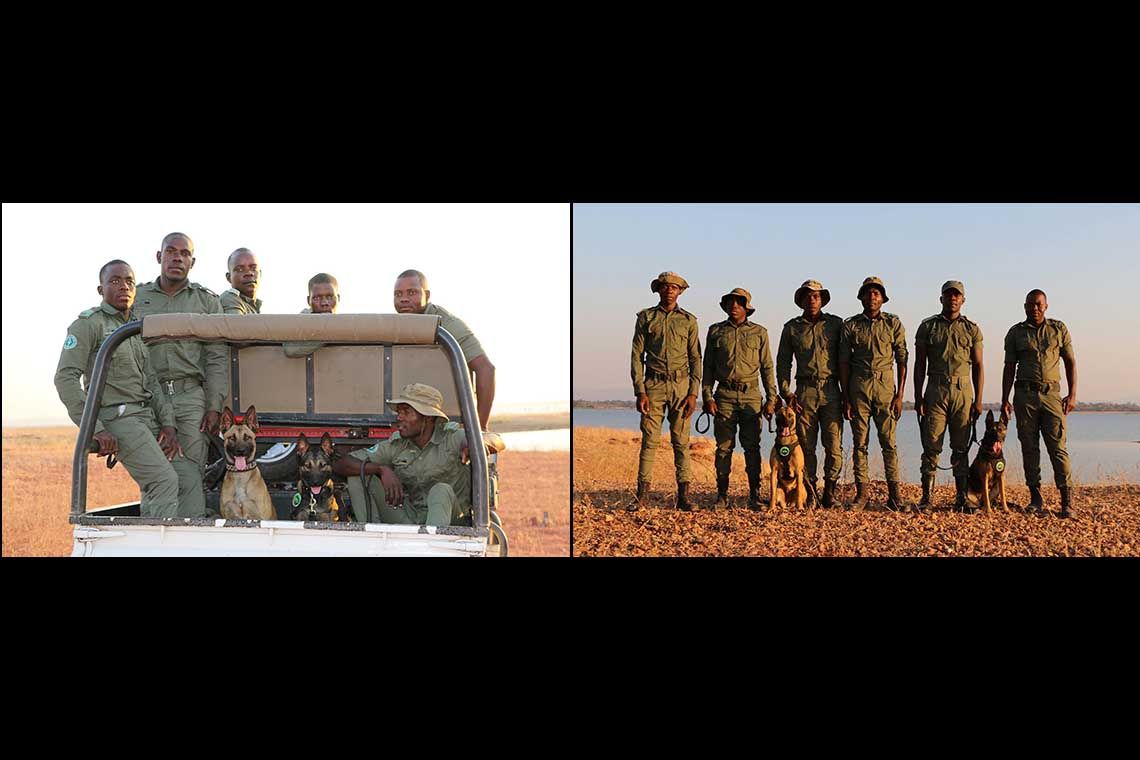
K9 unit flown by Emirates SkyCargo to Zimbabwe begins frontline operations
Vega and Kuda, two specialist conservation dogs, transported by Emirates SkyCargo from London to Harare via Dubai in partnership with UK charity Dogs 4 Wildlife, have arrived safely and acclimatise